
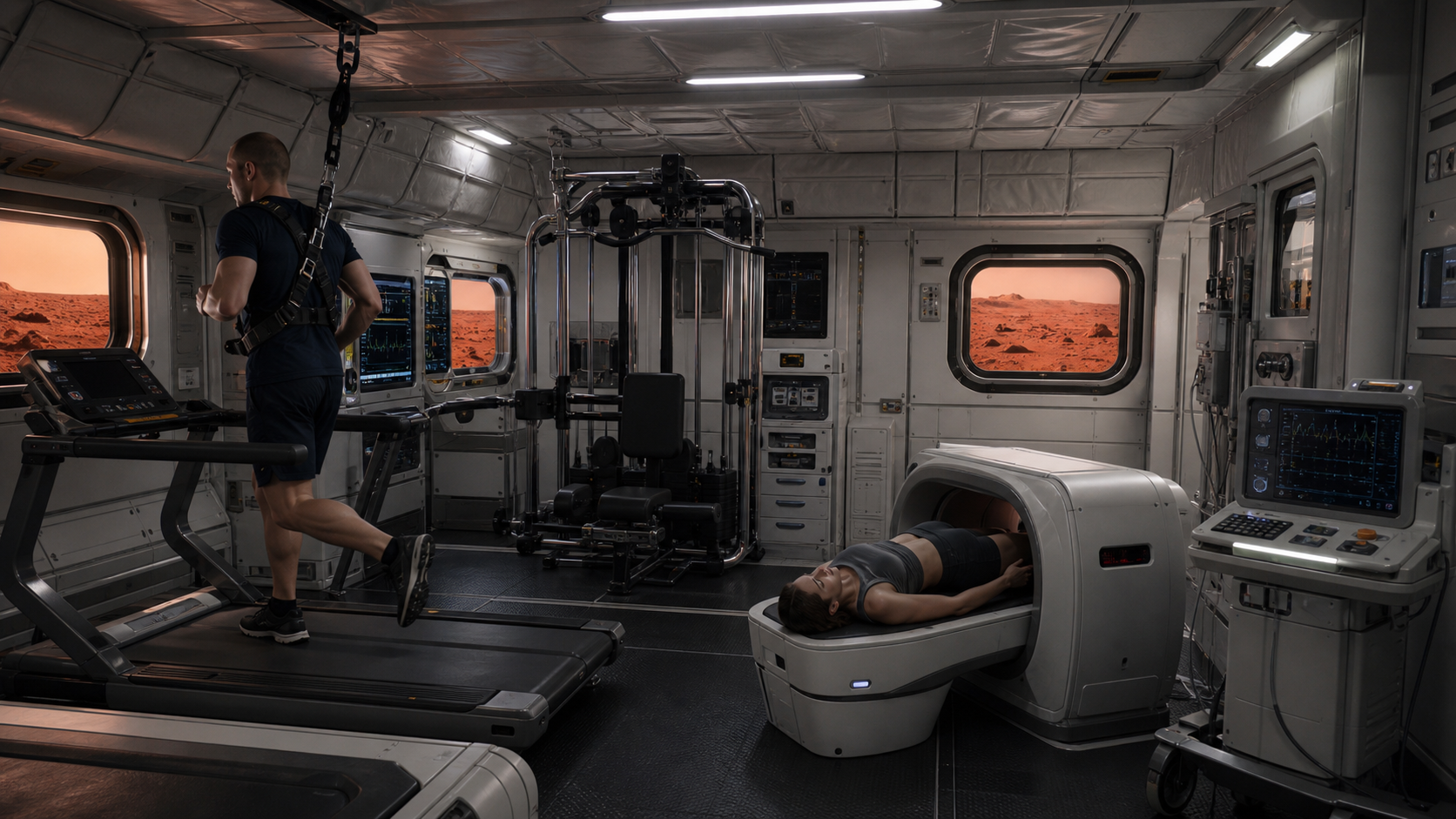
The human body evolved in one gravity field. Mars offers another: about 38 percent of Earth’s gravity. That sounds generous compared with weightlessness, but it is not Earth. A person can walk, lift tools, climb ladders, and sleep with a clear sense of up and down. Yet bones, muscles, blood circulation, balance, pregnancy, child development, and psychology may all respond differently to a life lived at 0.38g.
For a short expedition, this is a medical challenge. For a settlement meant to last centuries, it becomes a civilization question. If Mars is only a workplace where adults visit for limited tours, the health standard is one thing. If Mars is supposed to become a home where people grow old, have families, raise children, recover from injury, and build communities, the unknowns become much deeper.
The uncomfortable truth is simple: no human being has ever lived for years in Martian gravity. We know a great deal about microgravity from the International Space Station, and we know how bodies work on Earth. The space between those two worlds is still mostly untested.
Mars Gravity Is Not Just Lighter Earth
Mars gravity is strong enough to pull dust down, let liquids settle, and allow normal walking with new gait patterns. It may make many tasks easier than in orbit. Astronauts would not float into walls, lose tools in midair, or need handrails for every movement. But biology responds to loads, and 38 percent of Earth load may not be enough for every system.
On the space station, astronauts exercise for hours each day because microgravity causes muscle loss, bone demineralization, cardiovascular deconditioning, balance changes, and other adaptations. Mars gravity should help compared with weightlessness, but nobody knows where the threshold lies. Is 0.38g enough to maintain adult bone density with exercise? Enough for hips and spine? Enough for children whose skeletons are still growing? Enough for pregnancy and birth?
Those questions matter because the answer may decide how a Mars city is designed. If 0.38g is adequate with strong exercise countermeasures, settlements can rely on normal habitats plus medical programs. If it is not, future cities may need rotating sleep rooms, artificial-gravity clinics, centrifuge gyms, or periodic stays in higher-gravity environments.
Bones and Muscles Will Set the First Limits
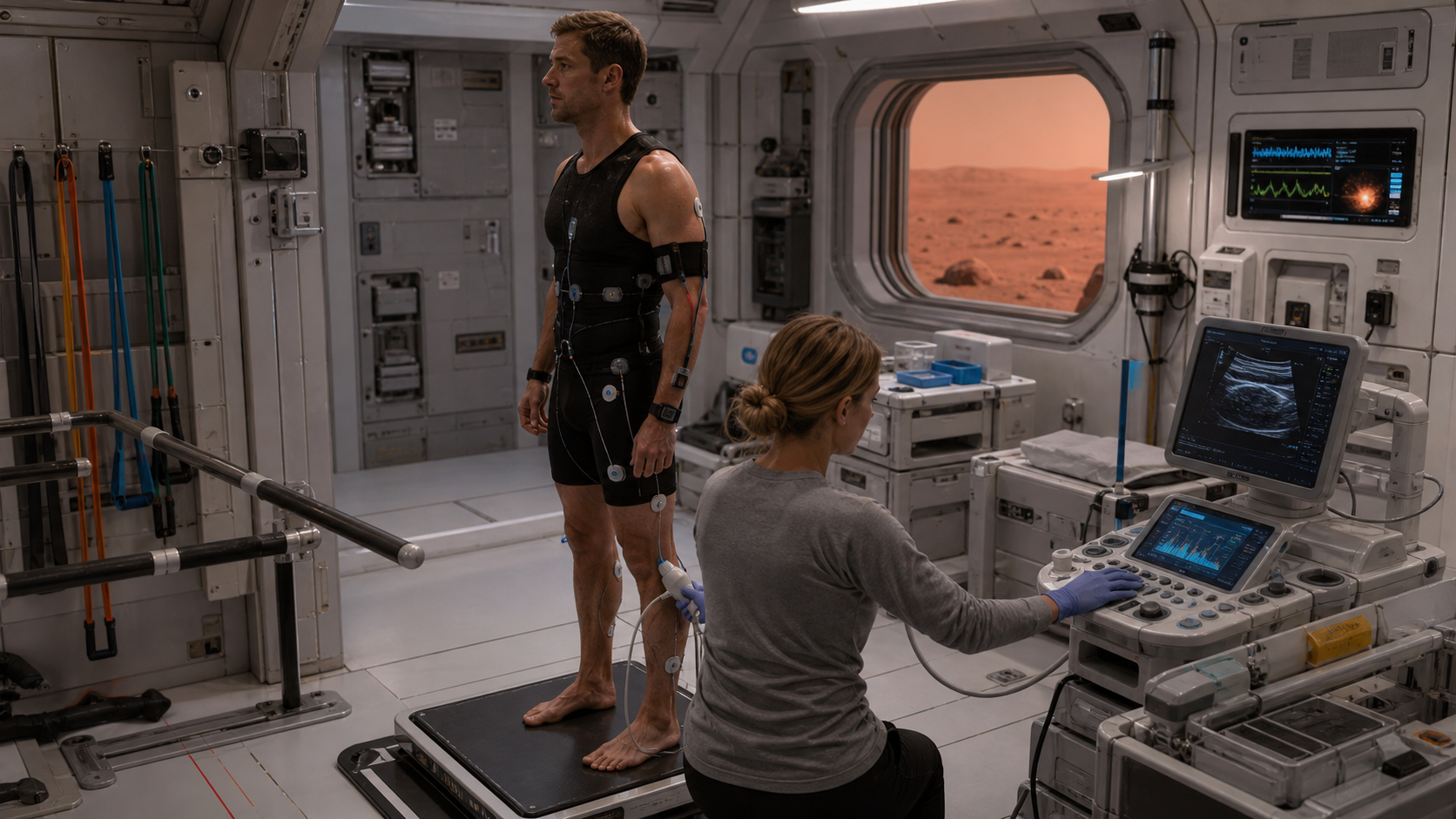
The most obvious problem is mechanical loading. Bones stay strong partly because they are stressed by walking, lifting, running, and resisting gravity. Muscles stay powerful because they repeatedly work against weight. In lower gravity, everyday movement becomes cheaper. A box that would be hard to lift on Earth may feel manageable on Mars. That is convenient for work, but it also means the body receives weaker maintenance signals.
Exercise systems will therefore be basic infrastructure. A Mars habitat needs treadmills with harnesses, cycle ergometers, resistance machines, compact rowing devices, balance training, and probably wearable monitoring. The goal is not athletic luxury. It is keeping settlers able to climb out of a rover, repair a pump, carry a suited crewmate, recover after illness, and survive an emergency.
Nutrition will matter just as much. Protein, calcium, vitamin D, energy intake, hydration, salt balance, and gut health all interact with bone and muscle. A settlement food system cannot optimize only crop yield and calories. It must support bodies under partial gravity, radiation exposure, limited sunlight, and heavy workload. Medicine, agriculture, and architecture become one system.
Radiation Complicates Every Health Question
Gravity is only one hazard. Mars settlers would also face a radiation environment very different from Earth’s surface. Mars has a thin atmosphere and no global magnetic field. Galactic cosmic rays and solar particle events raise long-term cancer concerns and may affect the cardiovascular system, central nervous system, eyes, immune function, and reproductive health.
This makes health research harder. If a settler loses bone density, is that partial gravity, radiation, diet, inflammation, medication, stress, or all of them? If sleep worsens, is that workload, isolation, habitat noise, light cycles, carbon dioxide levels, or anxiety? A Mars clinic must treat the person, but a Mars science program must also understand the environment that shaped the illness.
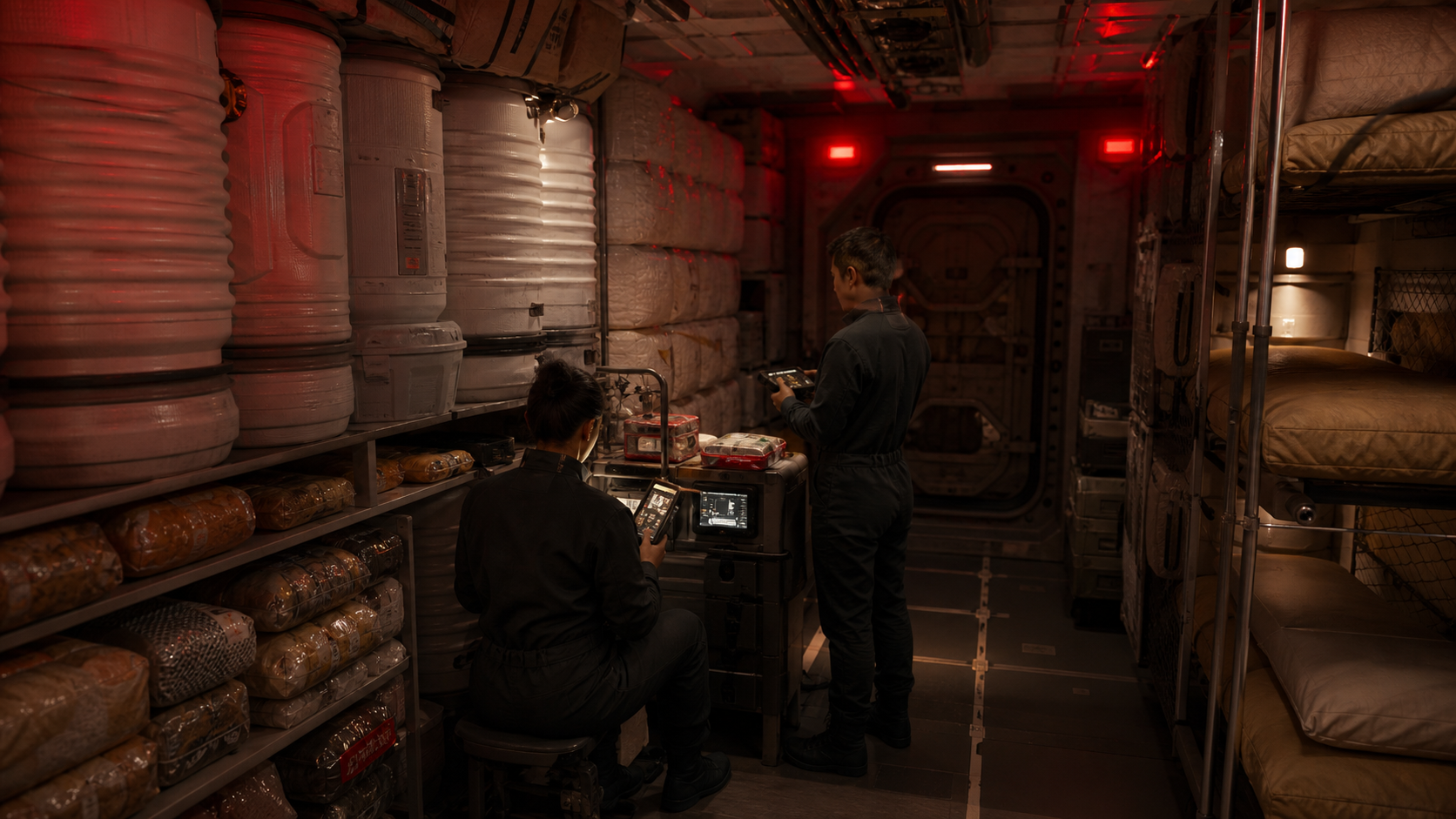
The practical answer is layered protection. Sleeping quarters and medical rooms should sit under strong shielding. Storm shelters should be close enough that crews can reach them quickly. Water, food, waste tanks, regolith, and dedicated shielding materials can all reduce exposure. Outdoor work should be scheduled with radiation forecasting in mind. Health is designed into the map of the city.
Psychology Is Part of the Body
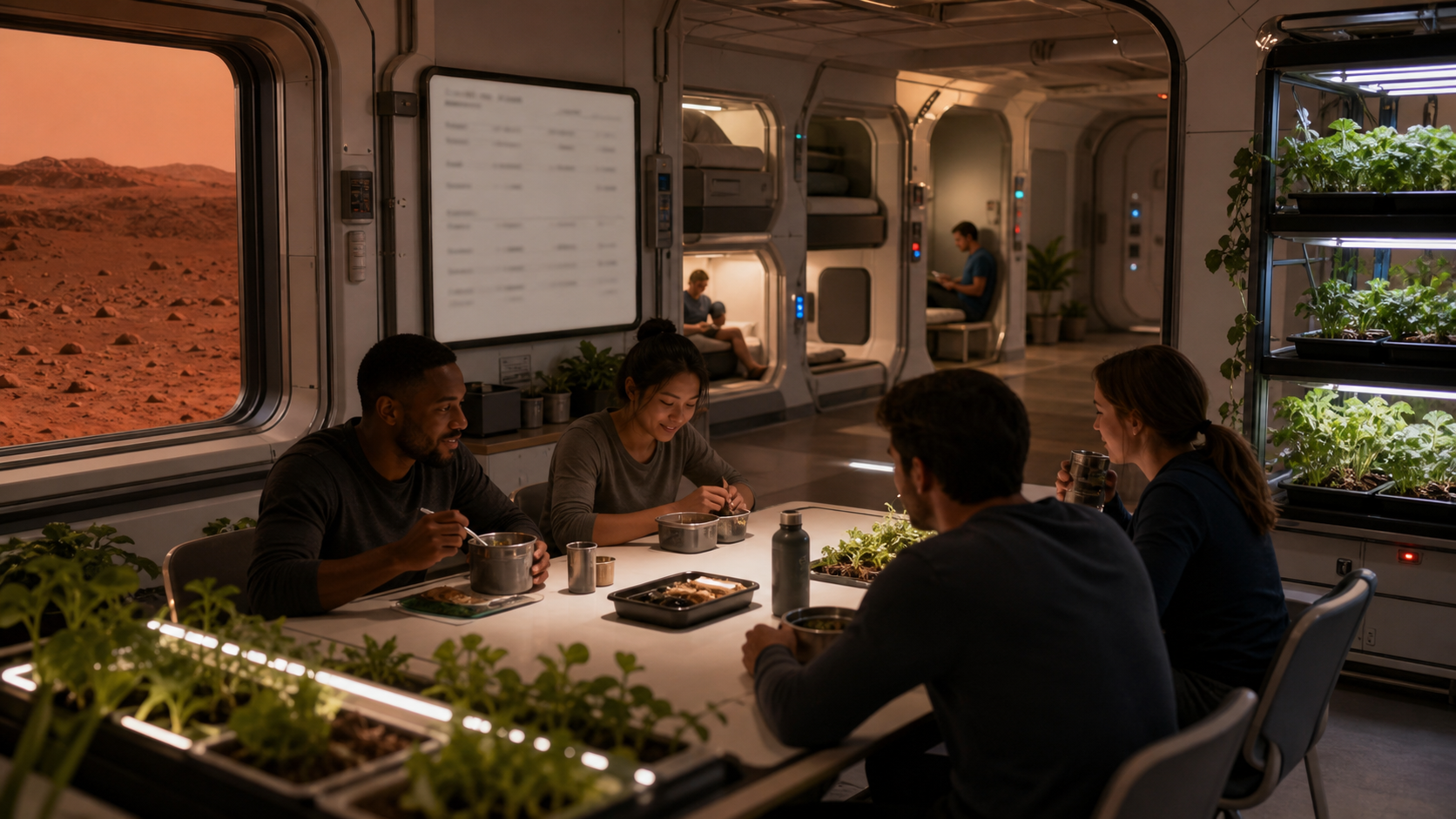
A Mars settlement cannot separate physical health from mental health. Crews will live inside confined, high-consequence environments where maintenance never ends and Earth is not available for immediate help. Communication delays change family life, medical support, training, and conflict resolution. A bad day on Mars cannot be solved by taking a walk outside without a suit.
NASA analog missions such as CHAPEA are valuable because they test confinement, resource limits, mission routines, delayed communication, and crew performance in controlled ways. They cannot reproduce Martian gravity or radiation, but they can reveal how people manage stress, privacy, teamwork, repairs, food systems, and boredom. Those lessons are not cosmetic. A settlement with poor psychology will eventually have poor safety.
Architecture can help. Private sleep areas, sound control, real communal rooms, plants, exercise spaces, medical privacy, social rituals, and clear emergency roles all reduce risk. Mars settlers will need technical resilience, but also ordinary human life: meals, birthdays, friendships, grief, humor, and a reason to keep repairing the same valve for the third time.
Pregnancy and Children Are the Hardest Unknowns
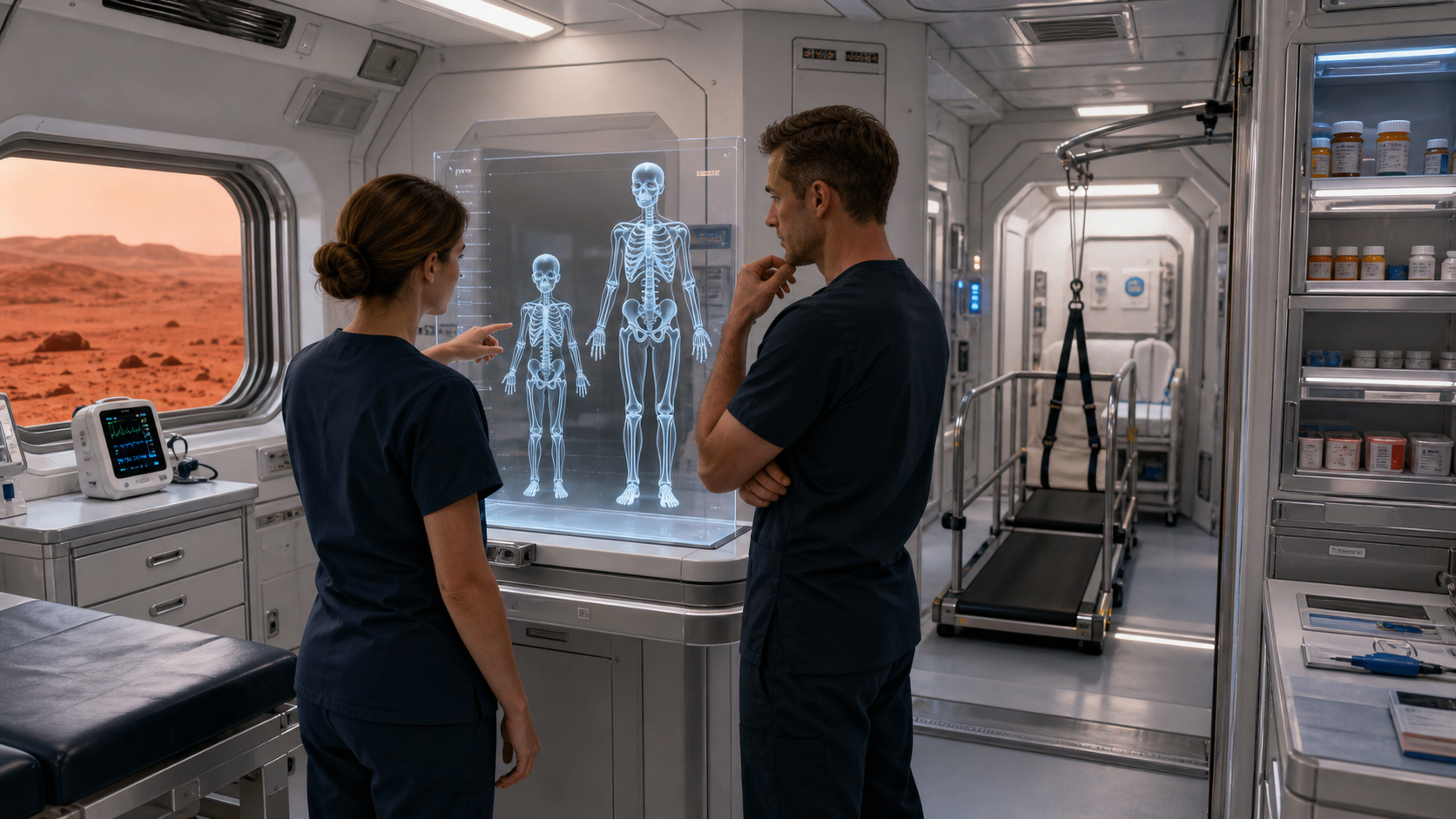
The biggest health question is not whether trained adults can survive a mission. It is whether humans can develop normally on Mars. Pregnancy, birth, infancy, puberty, immune development, vestibular development, bone growth, muscle strength, and vision all evolved under Earth gravity. We do not yet know whether Martian gravity is enough for healthy development, or what medical support would be required.
This is ethically difficult research. A society cannot casually experiment with children. Before permanent family life on Mars becomes responsible, scientists would need evidence from animal studies, partial-gravity platforms, lunar experience, advanced medical monitoring, and probably artificial-gravity habitats. The first generation of Mars settlers may need strict reproductive health policies until the risks are better understood.
That does not mean Mars can never become a home. It means a mature Mars society would treat reproductive medicine as central infrastructure, not a private afterthought. Hospitals, gravity countermeasures, genetics, nutrition, prenatal care, pediatrics, and evacuation rules would be as important as rockets and reactors.
What Remains Unsolved
The central unknown is the dose-response curve of gravity. We know zero gravity is harmful without countermeasures. We know Earth gravity supports normal human life. We do not know whether Mars gravity is enough, too little, or enough only with carefully designed exercise, nutrition, medicine, and shielding.
Before large-scale settlement, the safest path is gradual. Study crews in orbit. Study partial gravity around the Moon. Build better centrifuges and compact exercise devices. Send early Mars crews with aggressive medical monitoring. Compare surface crews, transit crews, and Earth analog crews. Treat every mission as both exploration and health research.
If humans can stay healthy in Martian gravity, Mars becomes more than a destination. It becomes a possible second environment for human life. If they cannot, settlement may still be possible, but it will require artificial gravity, tour limits, or a new kind of medical architecture. Either way, the answer will shape every room, schedule, meal, clinic, school, and family decision in a future Mars city.
Leave a Reply