
Category: Mars Science
-
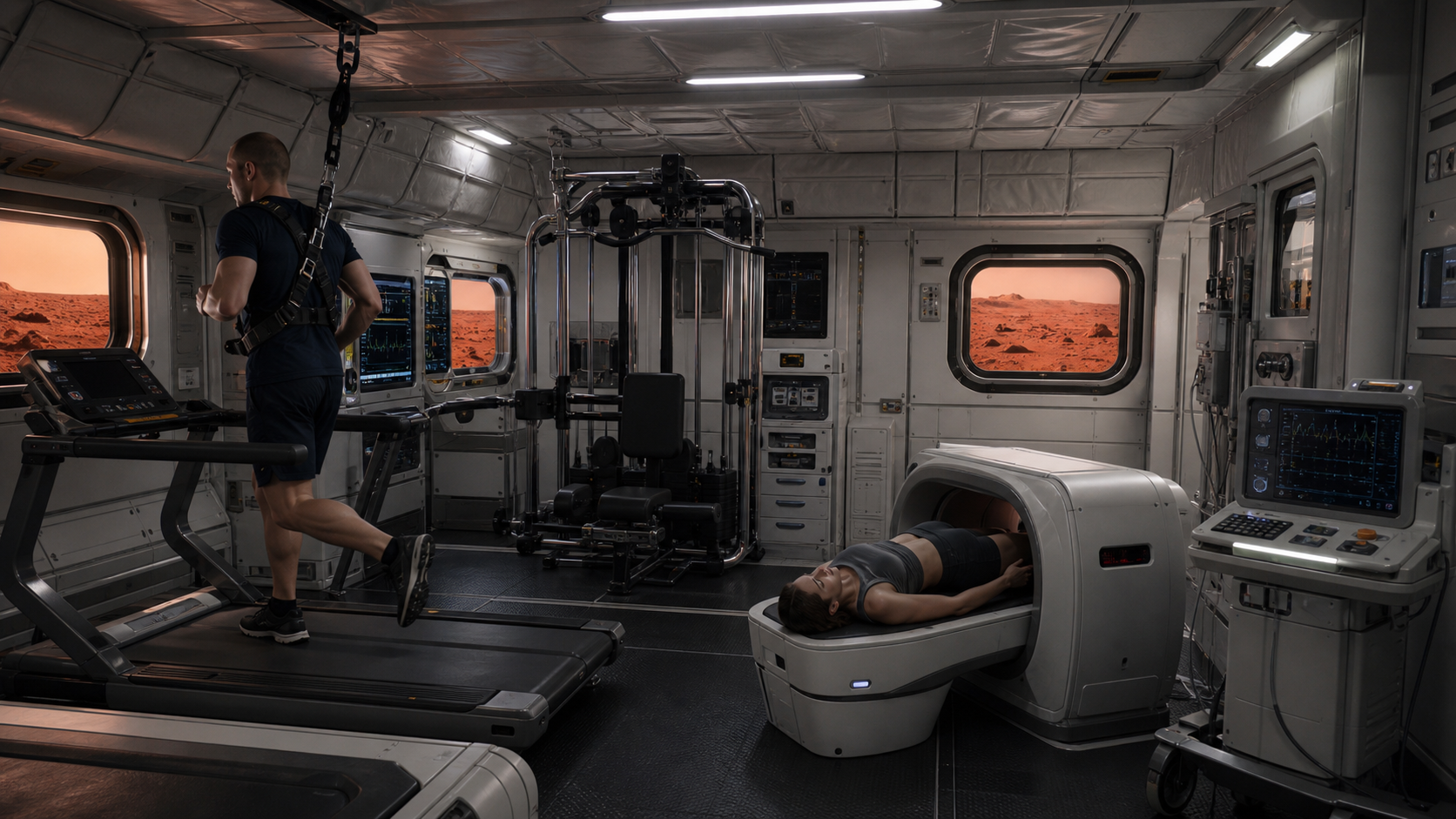
Martian gravity may be easier than weightlessness, but nobody knows whether 0.38g is enough for lifelong human health, pregnancy, child development, bone strength, muscle maintenance, and psychology.
-
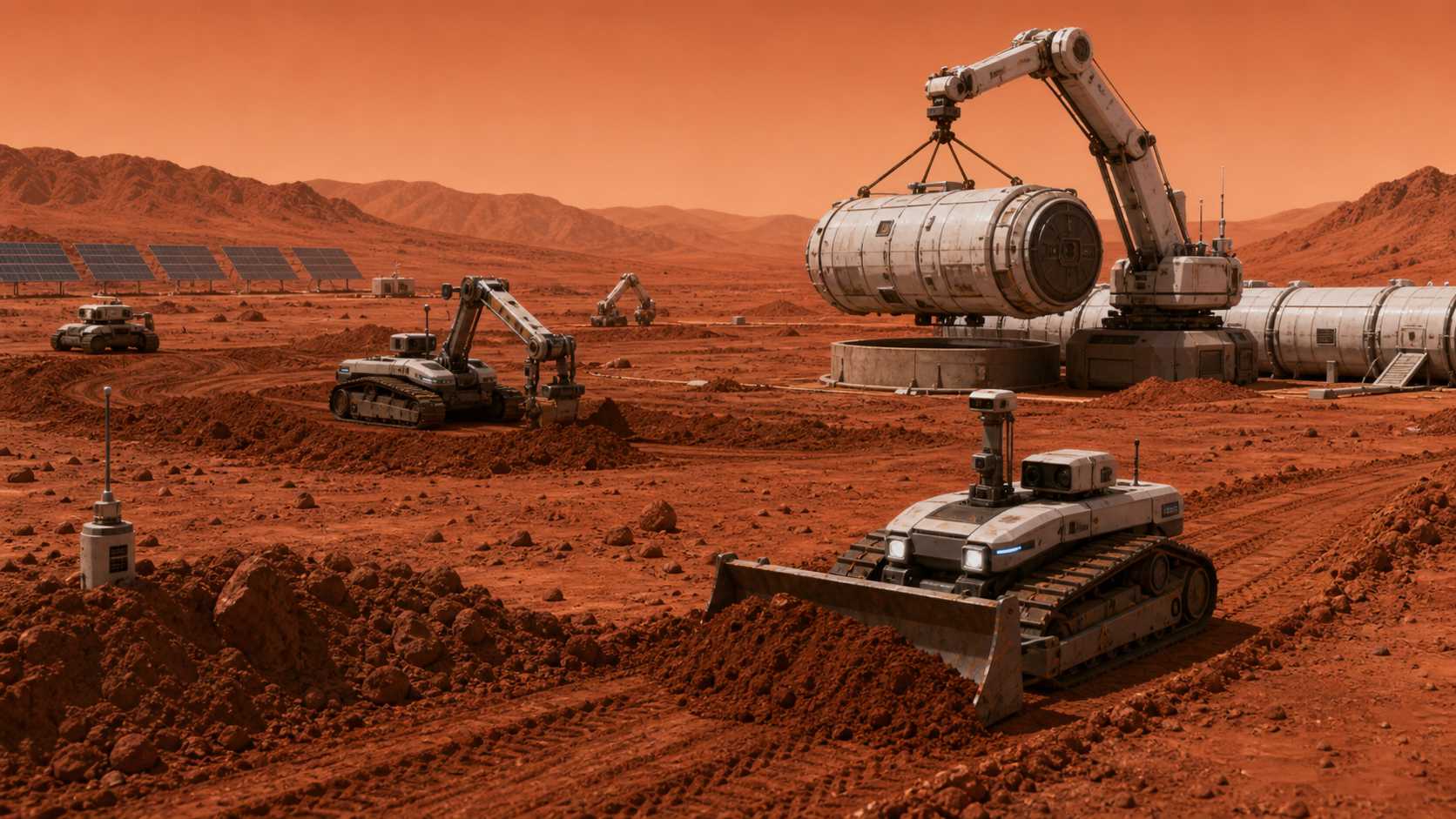
Robots must prepare Mars before large crews arrive by moving regolith, extracting resources, inspecting hardware, repairing systems, testing greenhouses, and turning cargo into a working settlement.
-
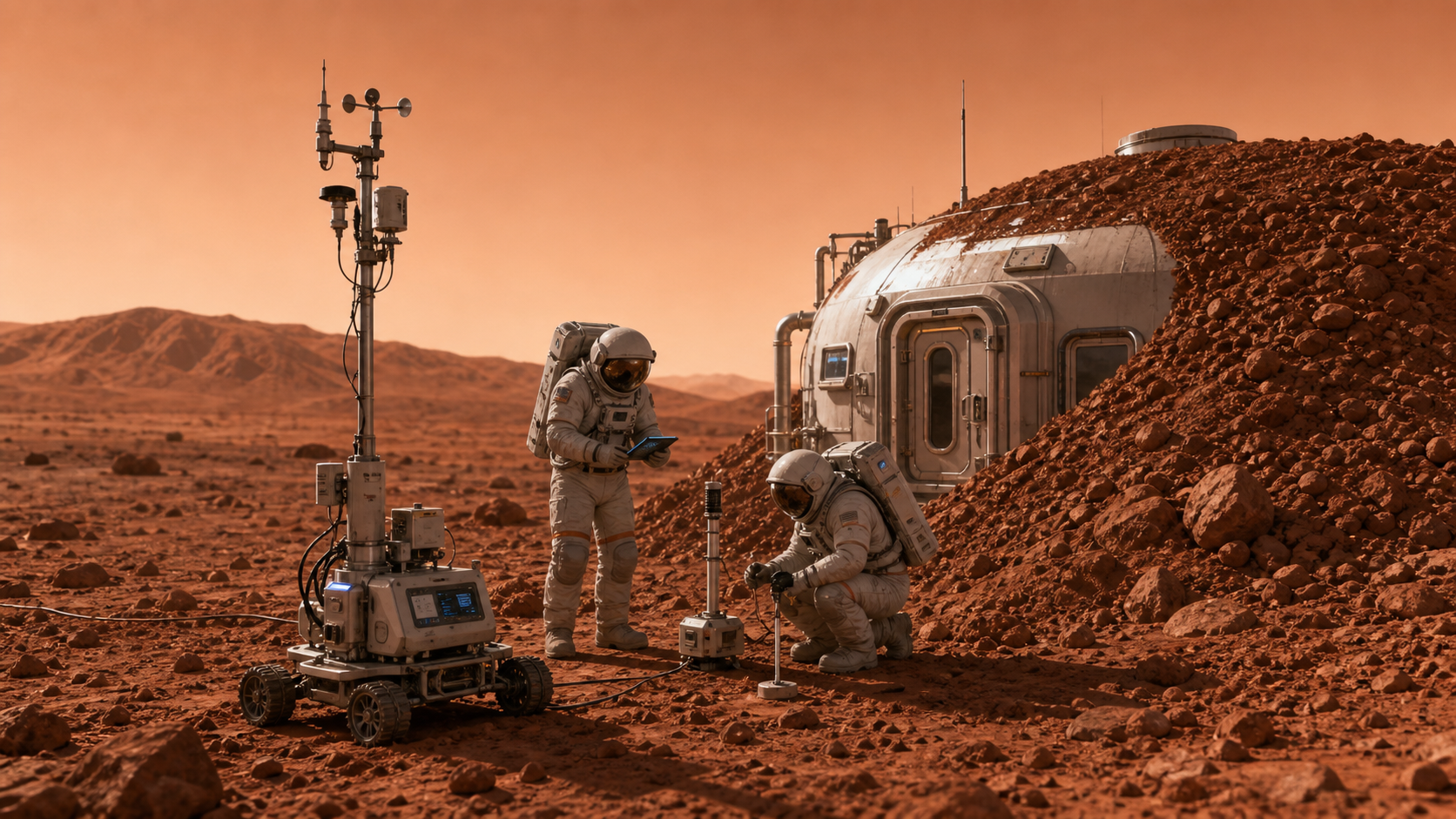
Mars radiation is not an instant death sentence, but it is a chronic settlement hazard that requires shielding, storm shelters, dose limits, medical monitoring, and underground or regolith-covered architecture.
-
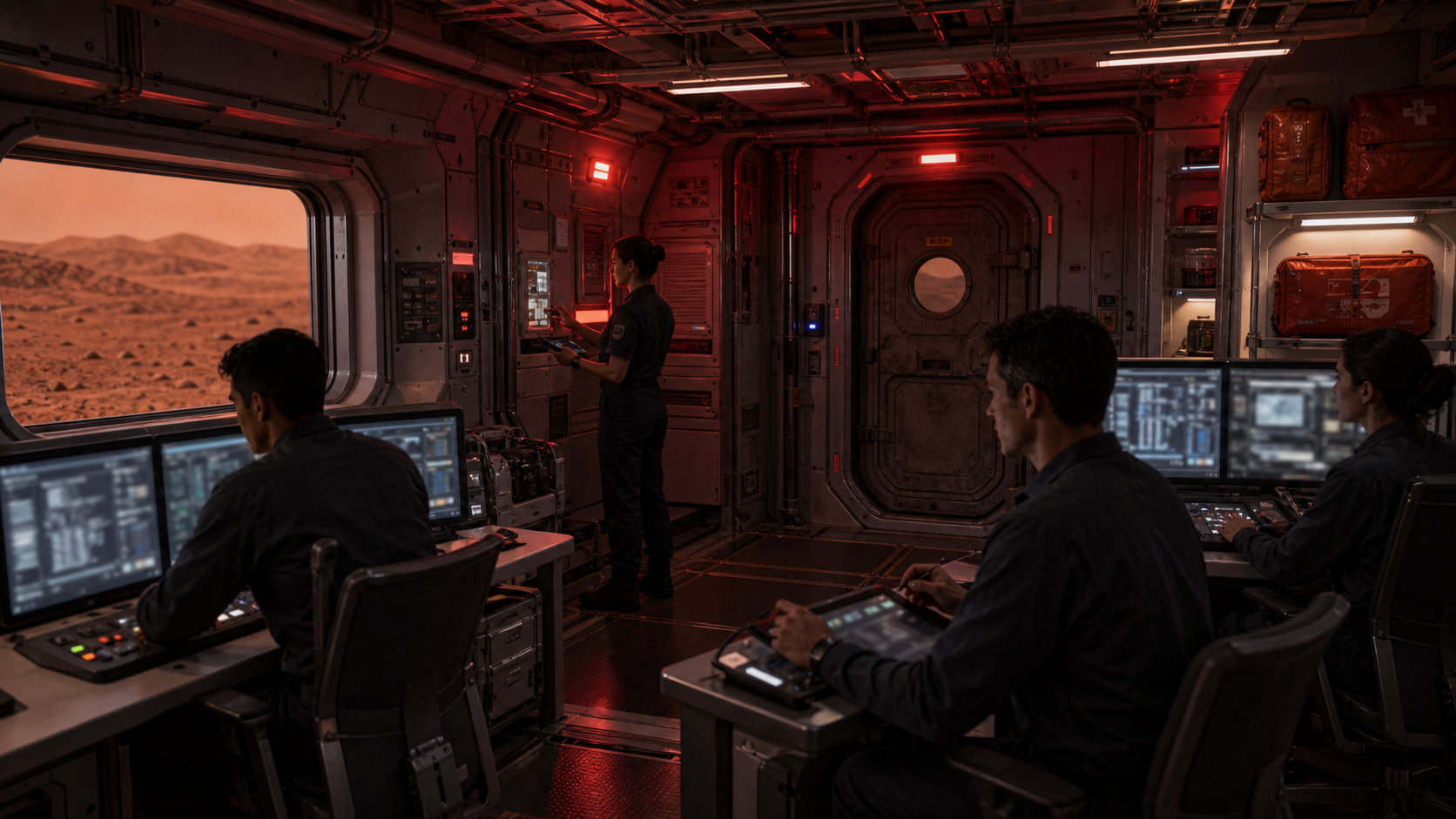
A Mars emergency would test isolation doors, life support backups, food reserves, microgrids, medical systems, communication delay protocols, and the city’s ability to keep breathing while it repairs itself.
-
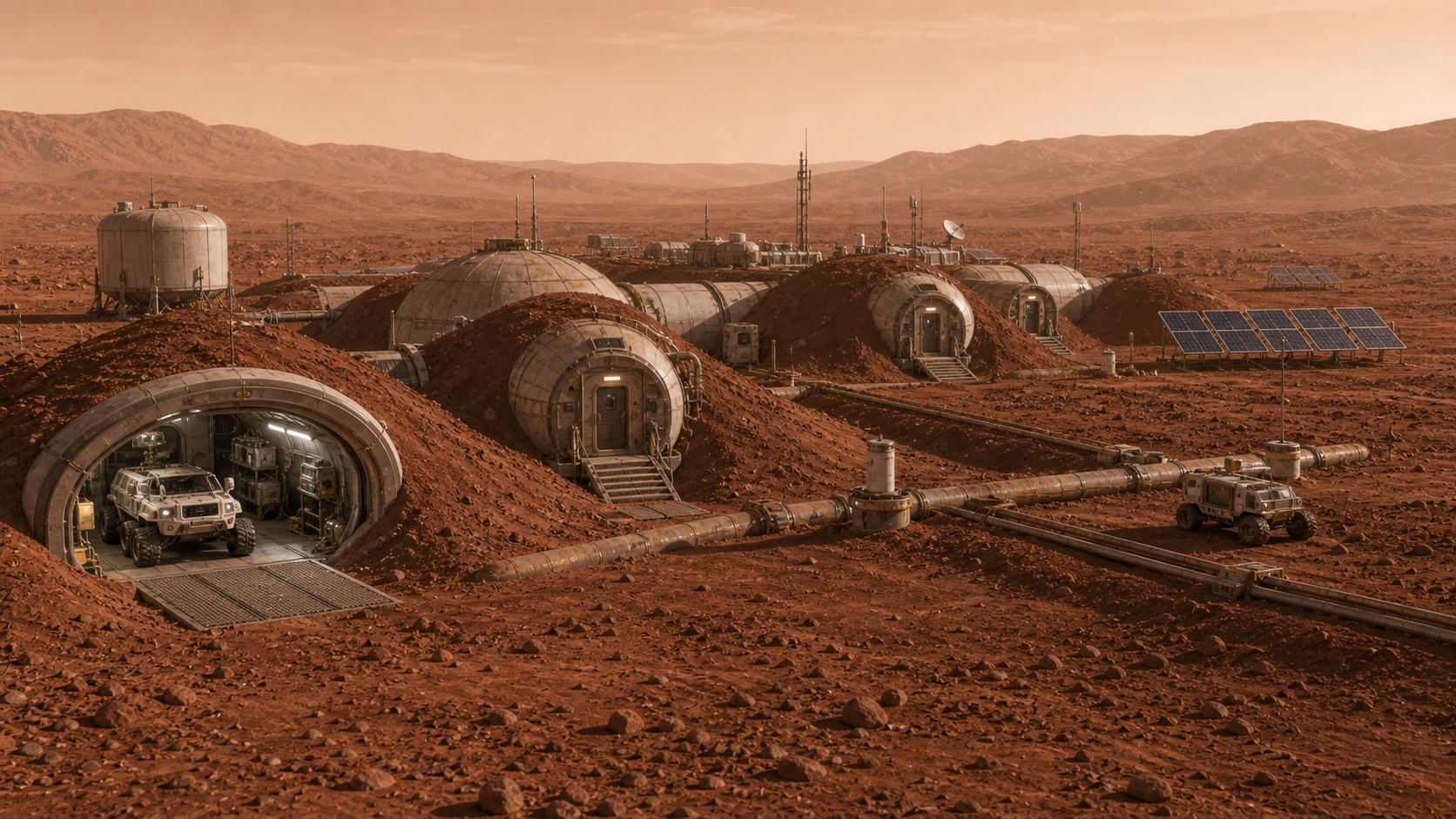
Safe Mars homes would be life-support machines: pressure vessels, radiation shields, dust-control systems, thermal shelters, and repairable modular habitats protected by regolith, robots, airlocks, and underground service corridors.
-
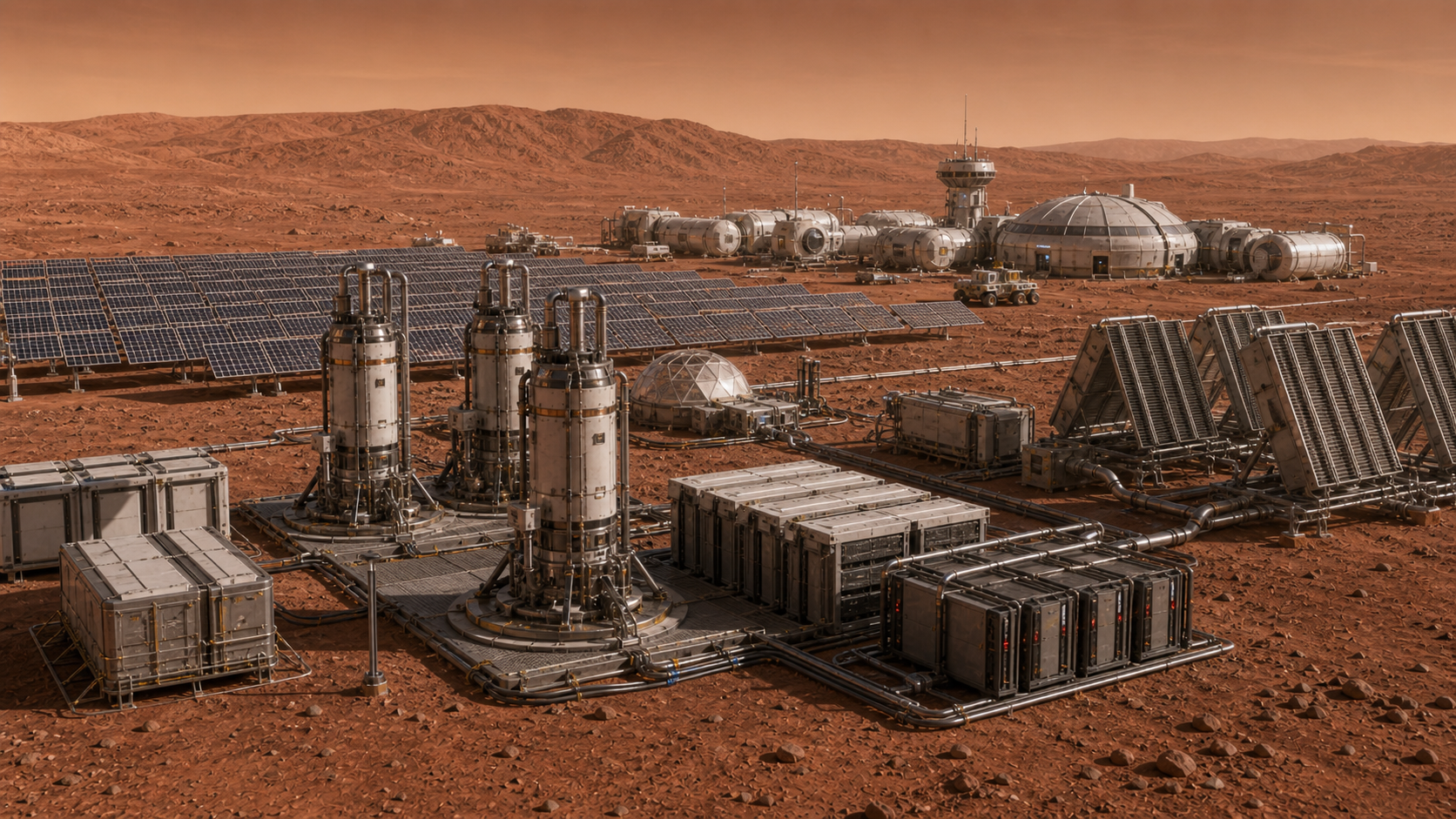
A Mars settlement would need more than one power source. It would require nuclear baseload, solar farms, storage, microgrids, heat management, and backup modes that keep life support running through dust storms and equipment failures.
-
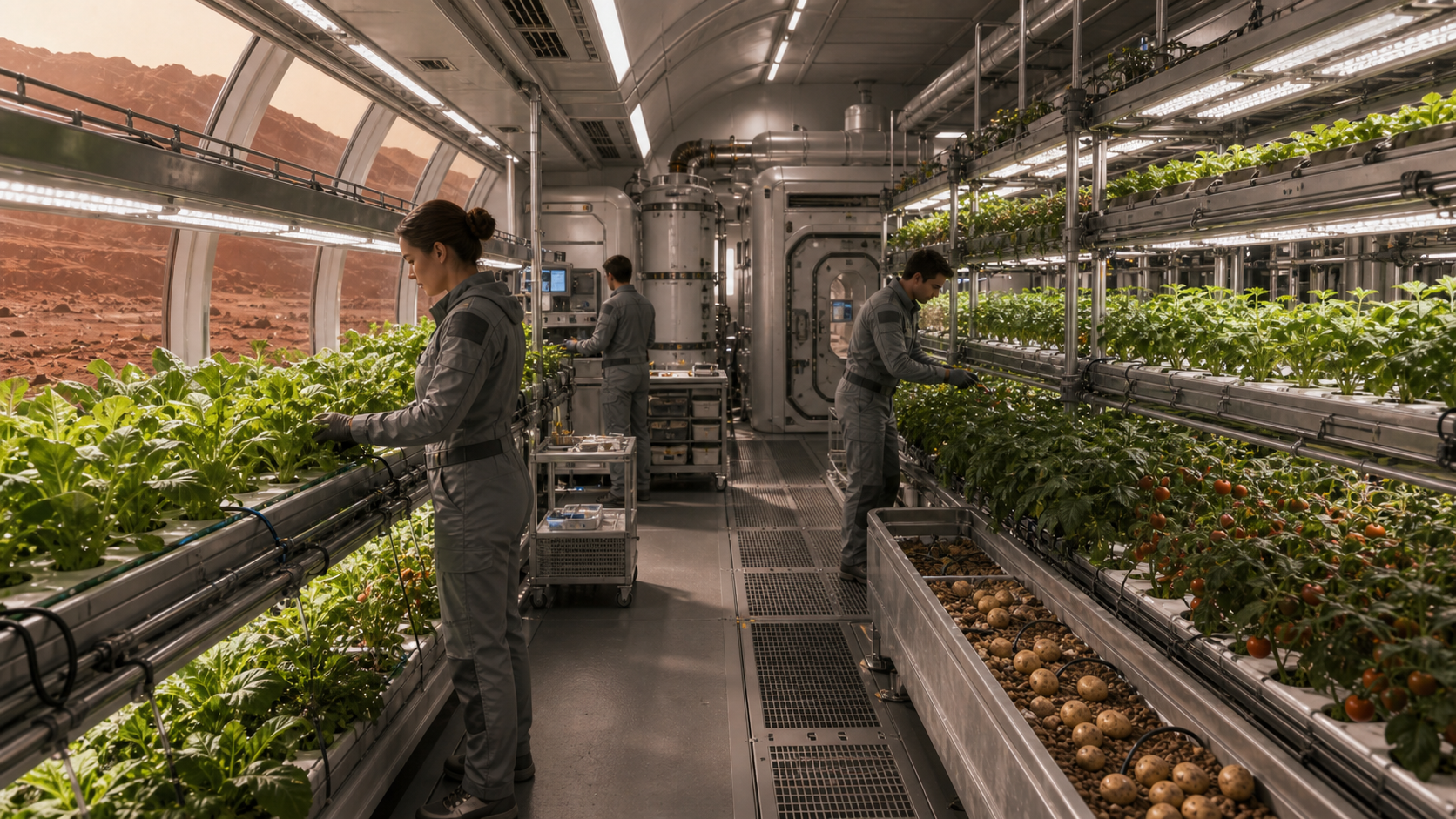
火星城市不能永遠依靠儲存食品。它需要水培、氣霧培、藻類和微生物蛋白、謹慎的作物選擇、溫室電力系統,以及閉環養分回收,把廢棄物、水、二氧化碳和光轉化為可靠食物。
-
A Mars city could not survive on stored meals forever. It would need hydroponics, aeroponics, algae and microbial protein, careful crop selection, greenhouse power, and closed-loop nutrient recycling to turn waste, water, carbon dioxide, and light into reliable food.
-
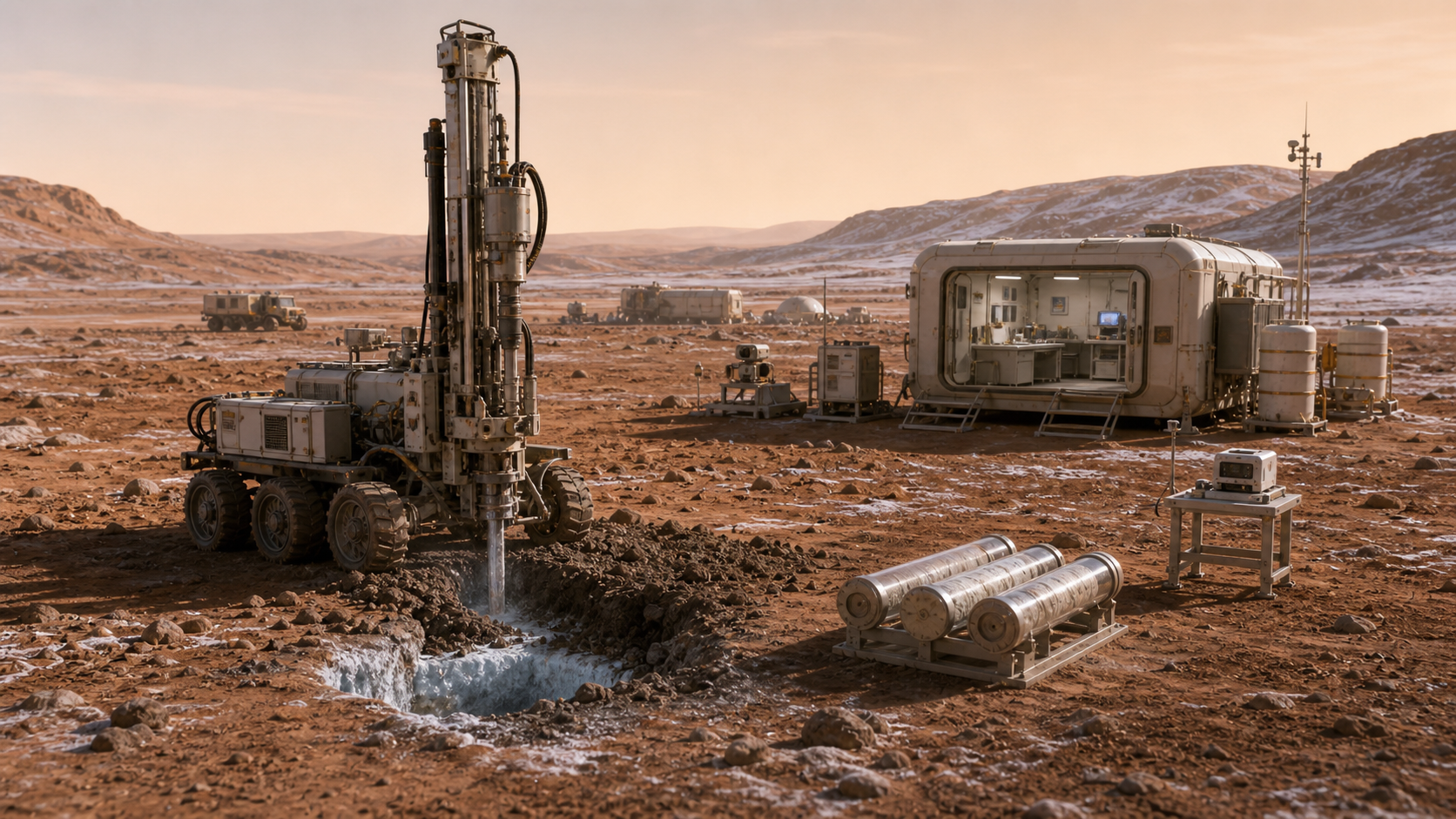
Mars settlers could not import all their water from Earth. A real settlement would need to map shallow ice, mine it, purify it, recycle nearly every liter, store reserves safely, and use water for drinking, crops, oxygen, shielding, and fuel chemistry.
-
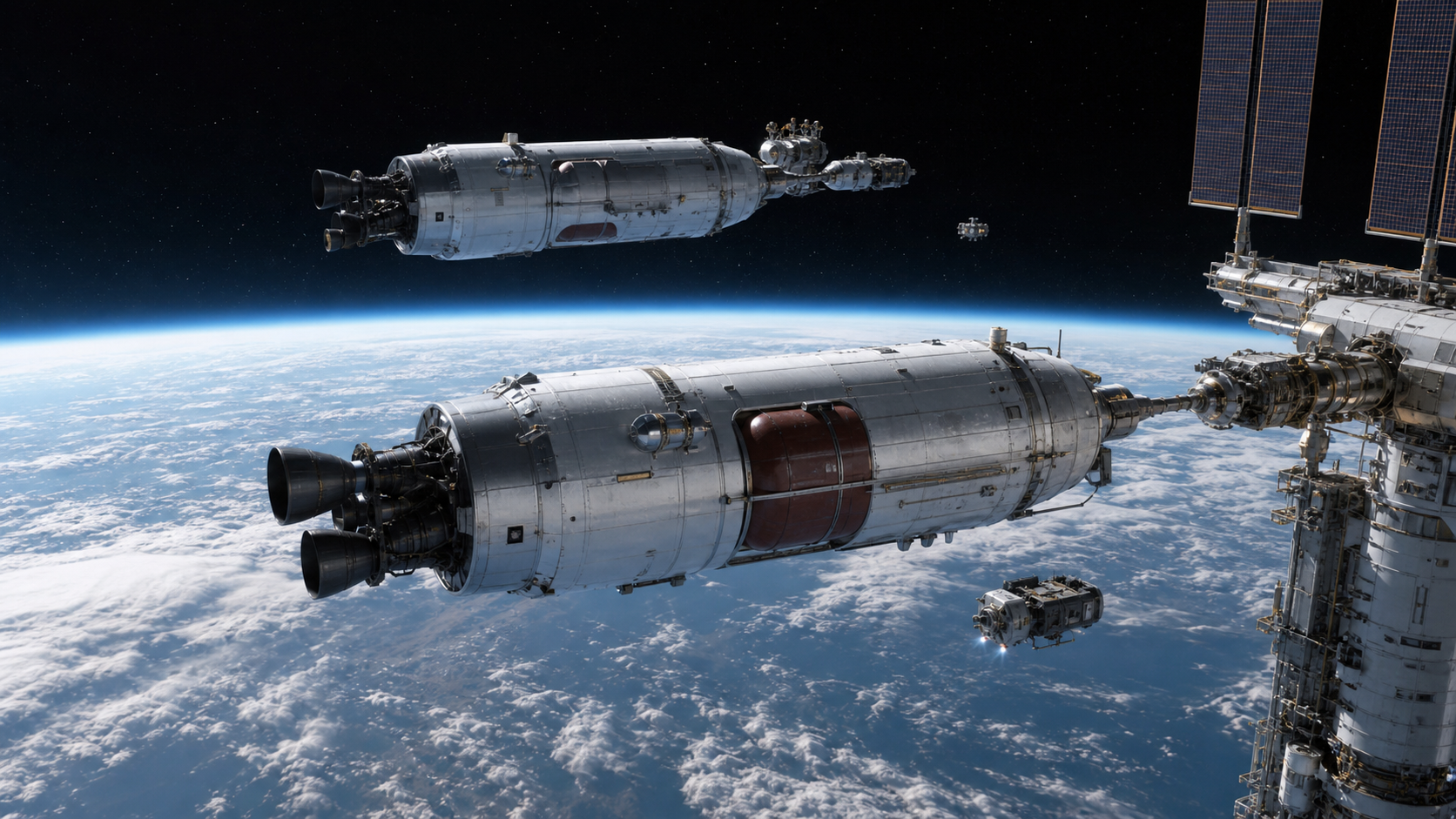
Moving thousands of people to Mars would require more than one giant spacecraft. It would take cargo-first missions, orbital refueling, deep-space habitats, radiation shelters, heavy landing systems, and a transport network that repeats every Mars launch window.