
Tag: Mars habitats
-

A Mars emergency would test isolation doors, life support backups, food reserves, microgrids, medical systems, communication delay protocols, and the city’s ability to keep breathing while it repairs itself.
-
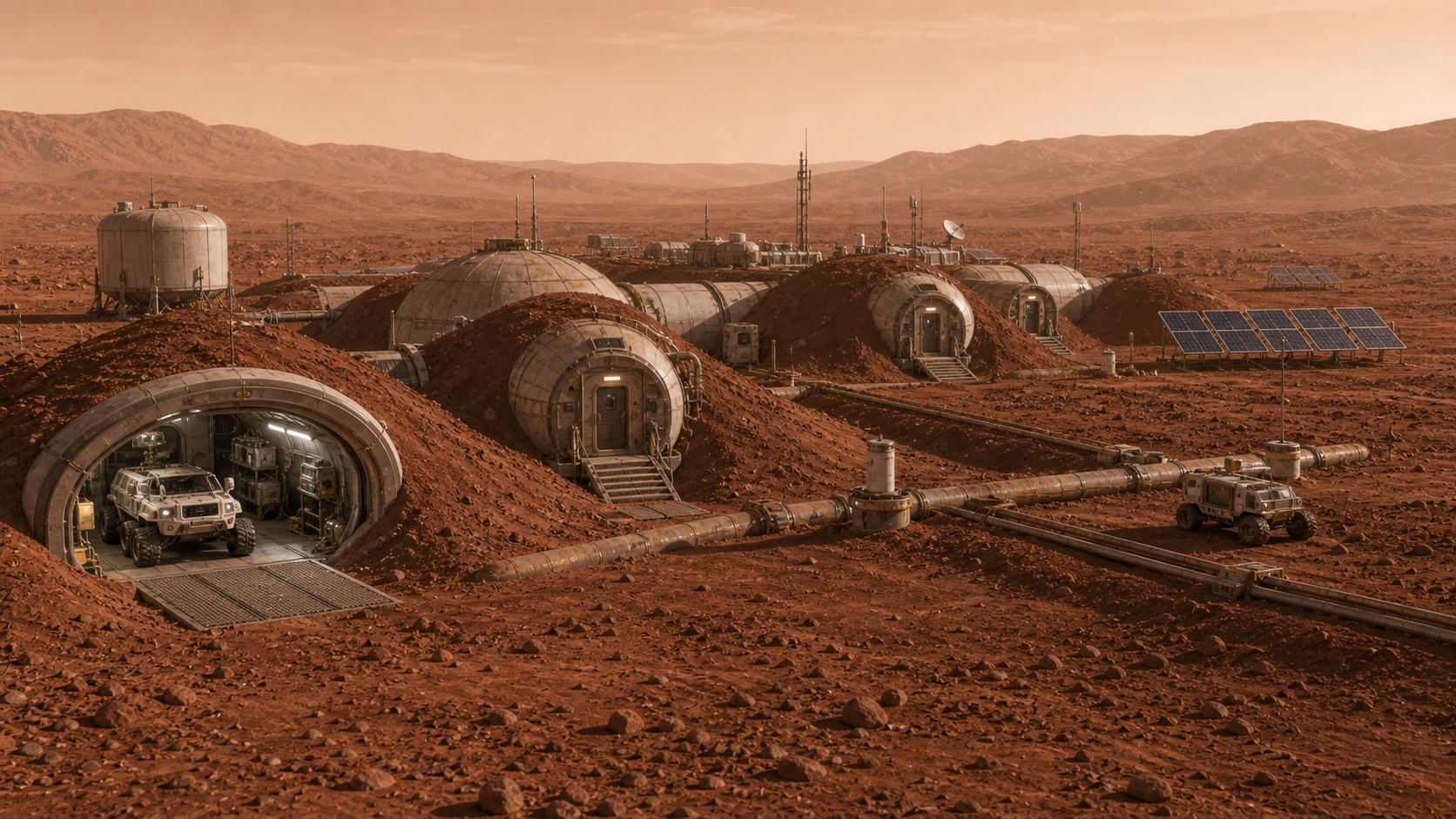
Safe Mars homes would be life-support machines: pressure vessels, radiation shields, dust-control systems, thermal shelters, and repairable modular habitats protected by regolith, robots, airlocks, and underground service corridors.
-
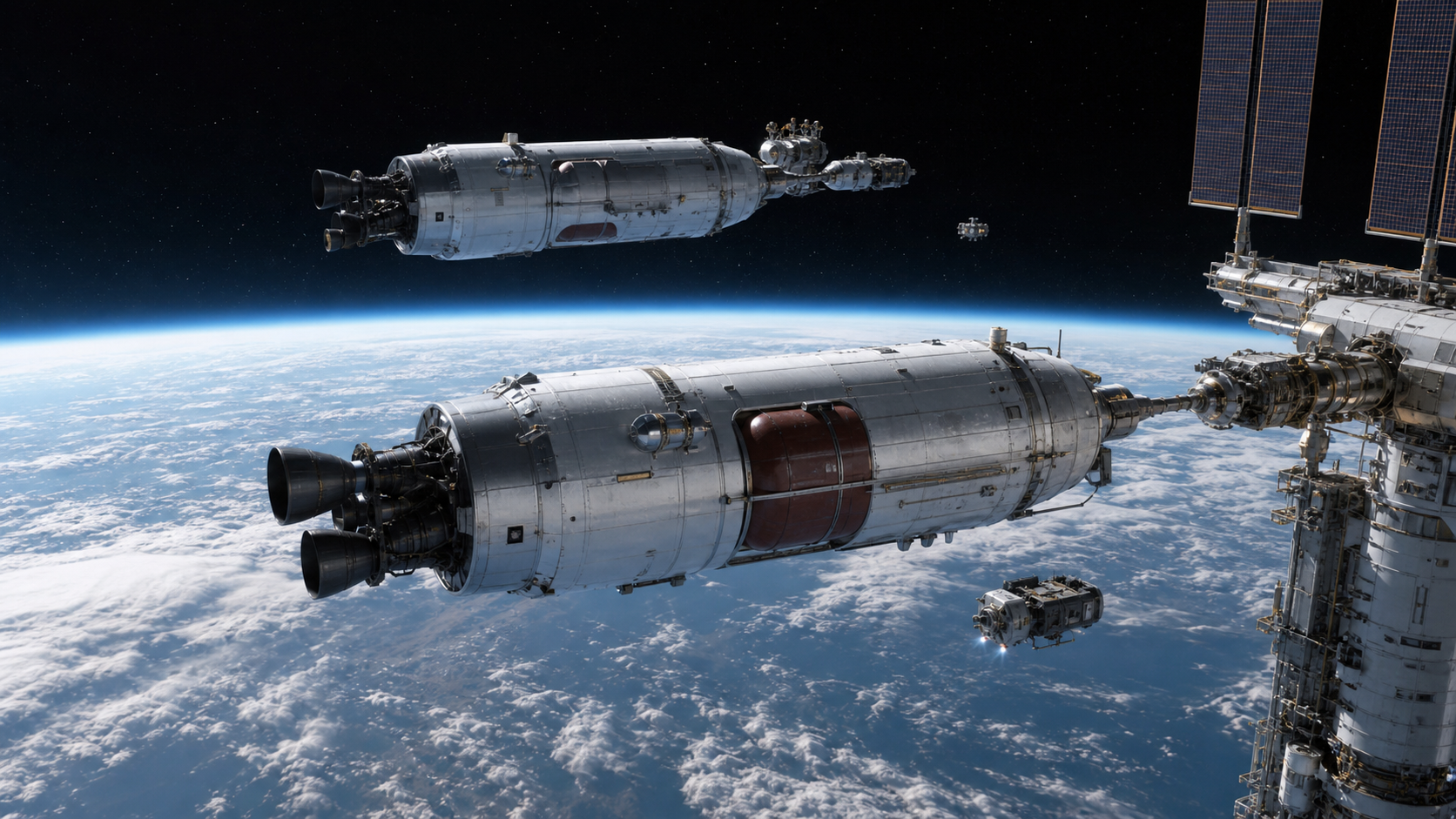
Moving thousands of people to Mars would require more than one giant spacecraft. It would take cargo-first missions, orbital refueling, deep-space habitats, radiation shelters, heavy landing systems, and a transport network that repeats every Mars launch window.